Look
Notice size, colour, surface and whether the sample is raw, lightly roasted or more deeply roasted.
Our guided sessions use small tasting flights to explore aroma, first crunch, sweetness, savoury character, roast depth and finish. No specialist vocabulary is required.
Notice size, colour, surface and whether the sample is raw, lightly roasted or more deeply roasted.
Break one kernel and smell again. Freshly exposed surfaces often reveal more than the whole nut.
Chew slowly. Track texture first, then sweetness, toast, earthiness, savoury notes and seasoning.
Return to the earlier sample after the second. Contrast makes small differences easier to notice.
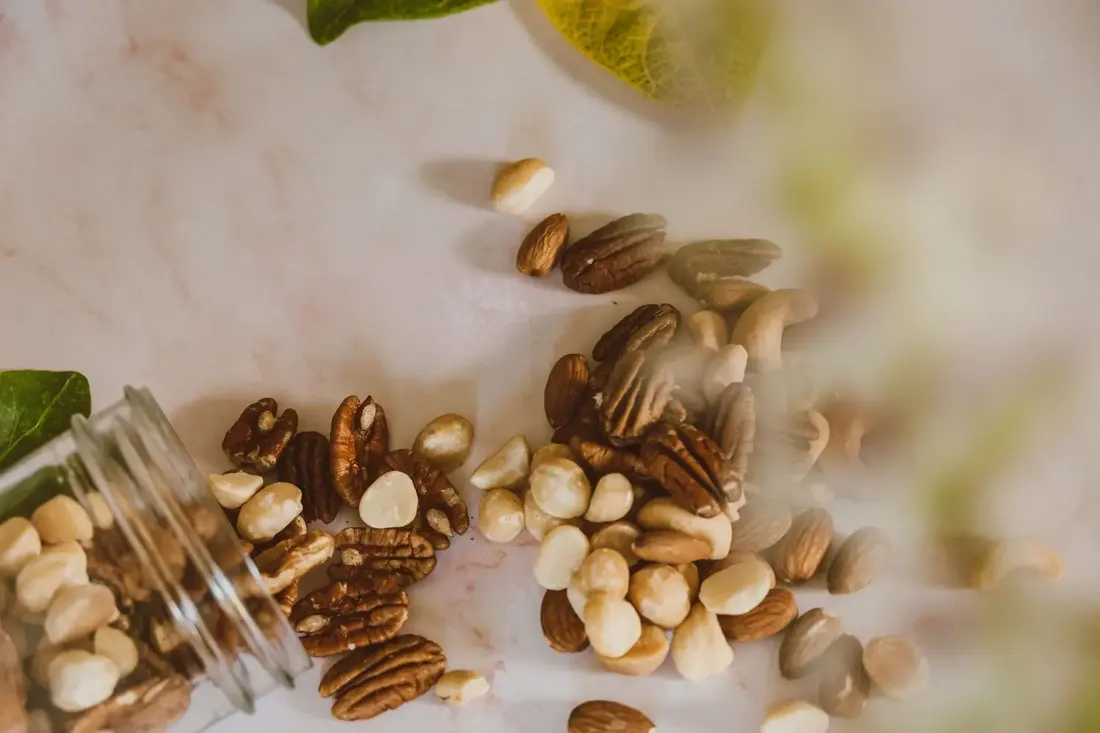
Sessions usually begin with raw or pale-roasted almonds and cashews, then move through pistachios, hazelnuts and walnuts before finishing with richer pecans or macadamias. The exact flight changes with available lots.
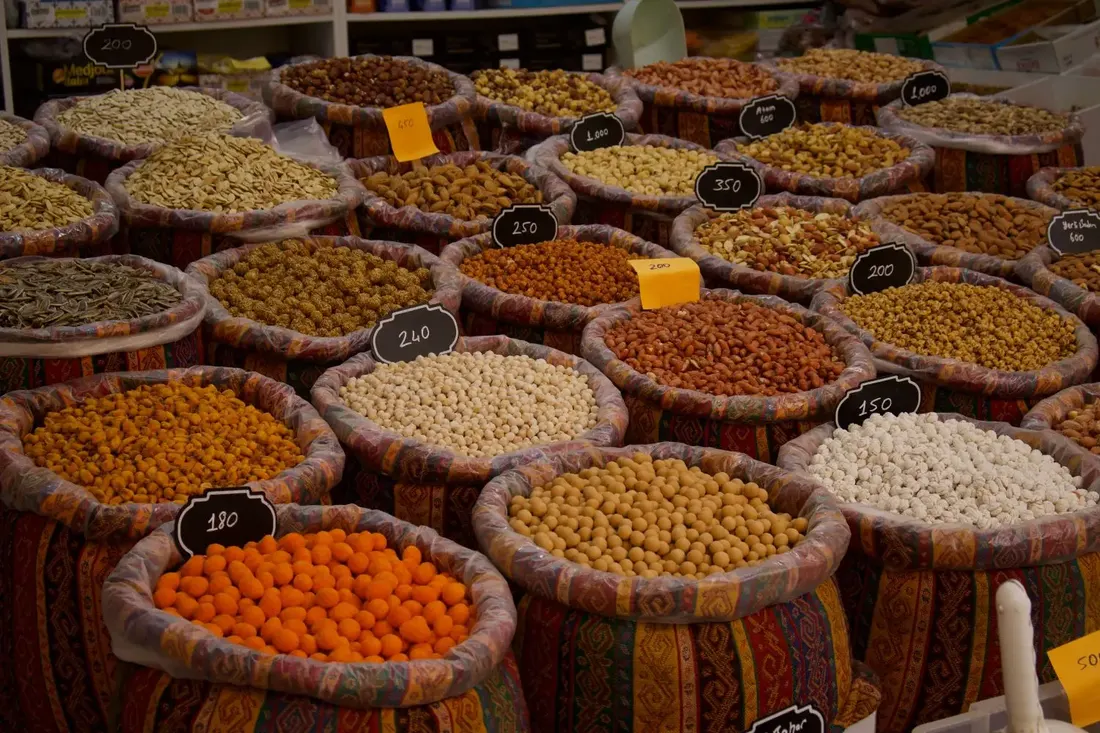
Public sessions suit individuals and pairs. Private tastings can focus on a theme such as roast level, baking nuts, regional comparison or building a balanced mixed-nut selection.
60 minutes · 6–8 samples · guided comparison notes.
NZ$48 per guest
75 minutes · up to 8 guests · customised sample sequence.
from NZ$320
Eight labelled samples with a printed tasting route for self-guided comparison.
NZ$42 per box
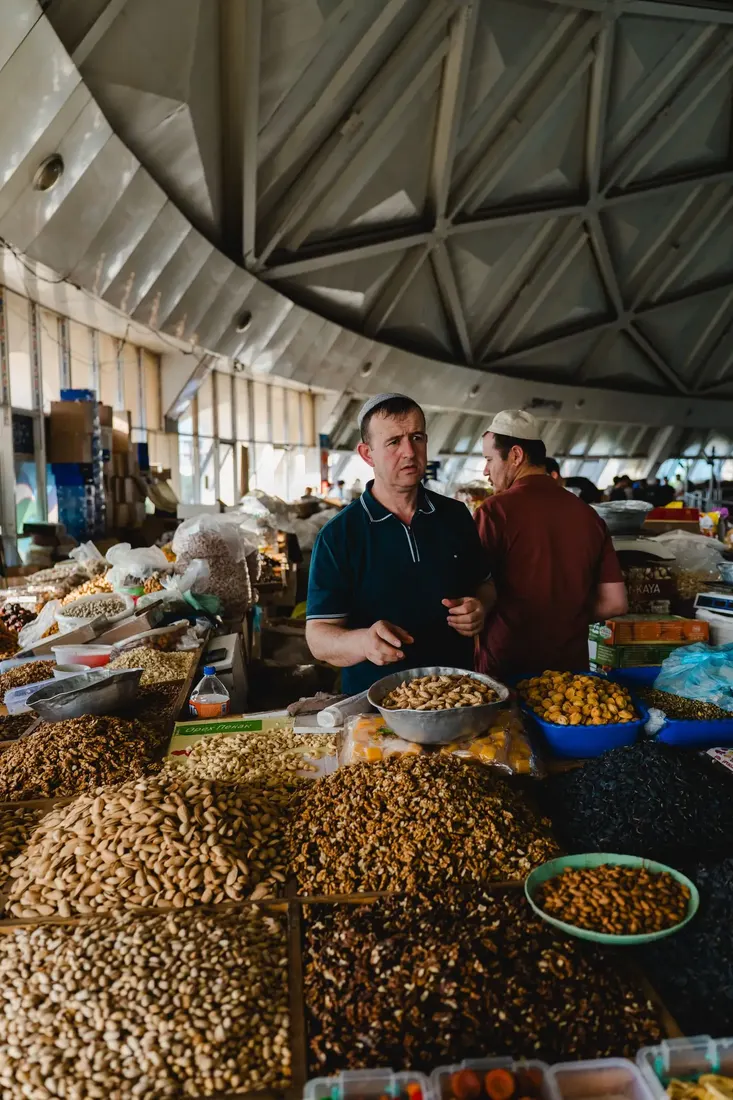
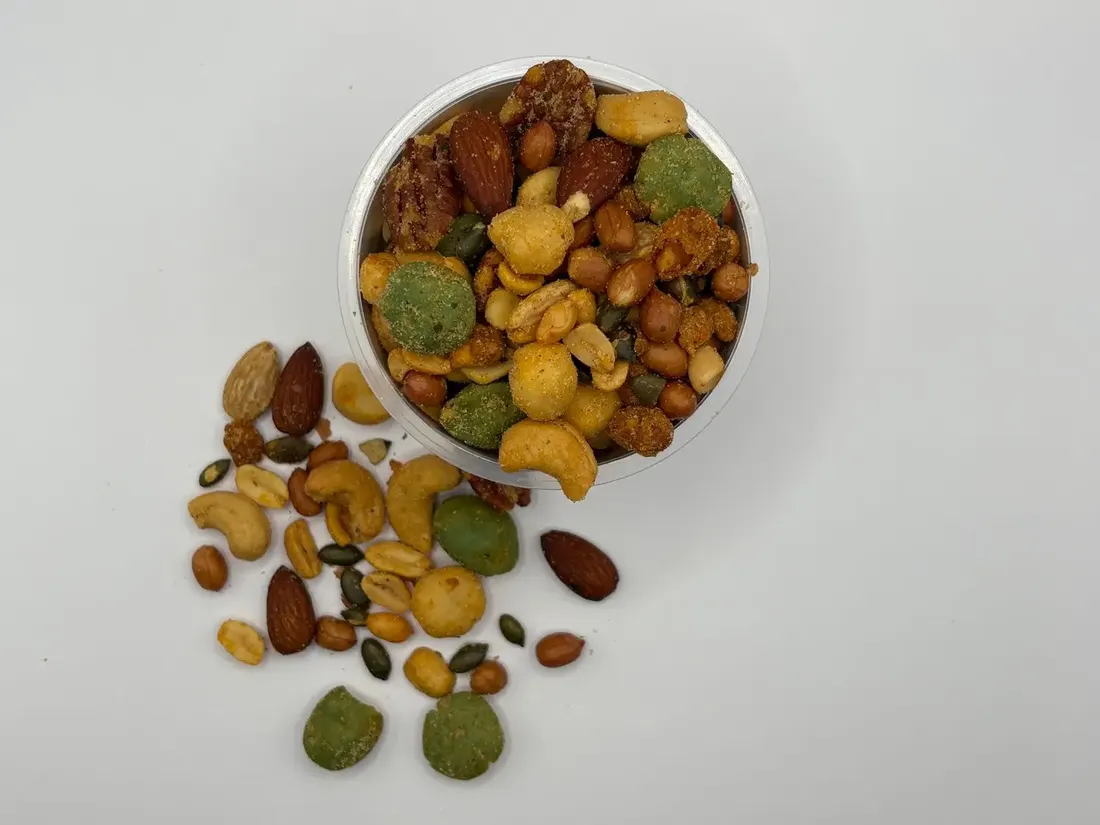
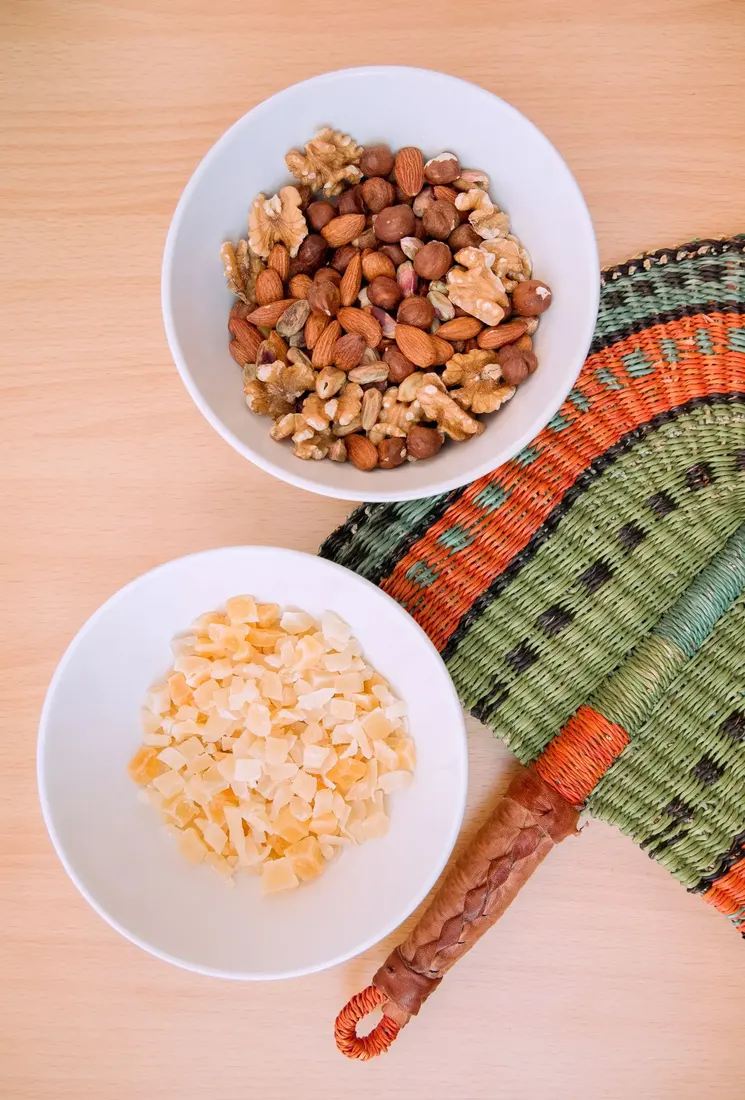
Tell us your group size, preferred date and whether you want a general introduction or a more focused comparison.
Send a tasting enquiryThere is no score you need to achieve. The aim is to describe what is actually different between samples in language that another person can understand.
Notice whether the first impression is delicate, toasted, earthy, sweet, woody or biscuit-like. Smell the sample before and after breaking a kernel; a freshly exposed surface can reveal aromas that were muted while the nut was whole.
Listen as well as feel. Crisp, brittle, dense, tender, creamy and dry describe different structures. Compare how much resistance the kernel gives at the first bite and how the texture changes while chewing.
Look for the balance between the nut’s own character and the flavours created by heat. A light roast can preserve delicacy; a deeper roast may add stronger toasted notes and a firmer, drier exterior.
After swallowing, note what remains and for how long. Some nuts finish clean and quickly, while others leave a lingering sweet, woody or roasted impression. The finish is often where two similar-looking samples separate most clearly.
During a Nuvellianessara session we move from observation to comparison: first describing each sample on its own, then revisiting pairs to identify the contrast. Water and neutral pauses keep the sequence focused. The process is deliberately straightforward, so the same method can be repeated later with a new harvest or a pack from our shop.
Item added.