World Nut Library

Origins, flavours and roasting behaviour.

Use this guide as a tasting map. It describes broad tendencies rather than rigid rules: season, cultivar and handling can shift a nut considerably from one lot to the next.

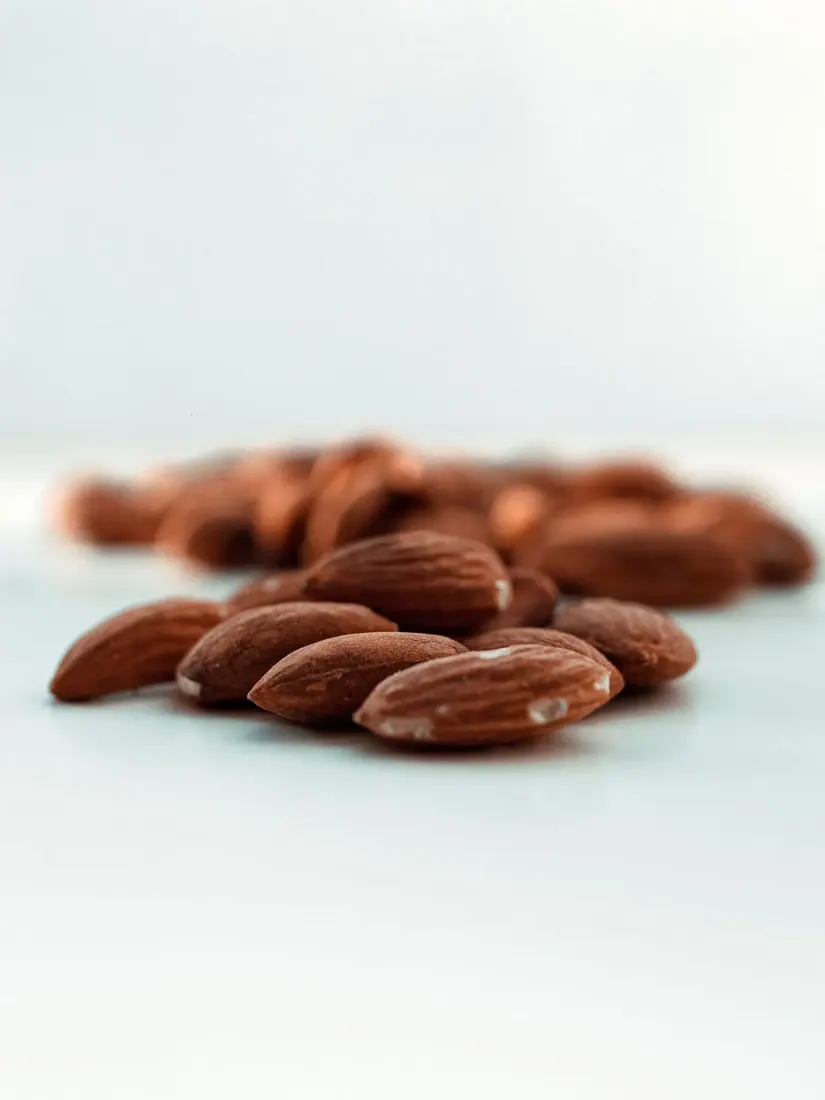
Whole almonds
Almond

Almonds — Spain, Australia & California

Typical character: crisp, lightly sweet, sometimes floral or marzipan-like. Skin-on almonds add a faintly tannic edge.

Roast response: gentle heat deepens toast and biscuit aromas; heavier roasting makes the finish drier and more assertive.

Kitchen use: snack mixes, pastry, ground nut bases, chopped toppings and savoury crumb.
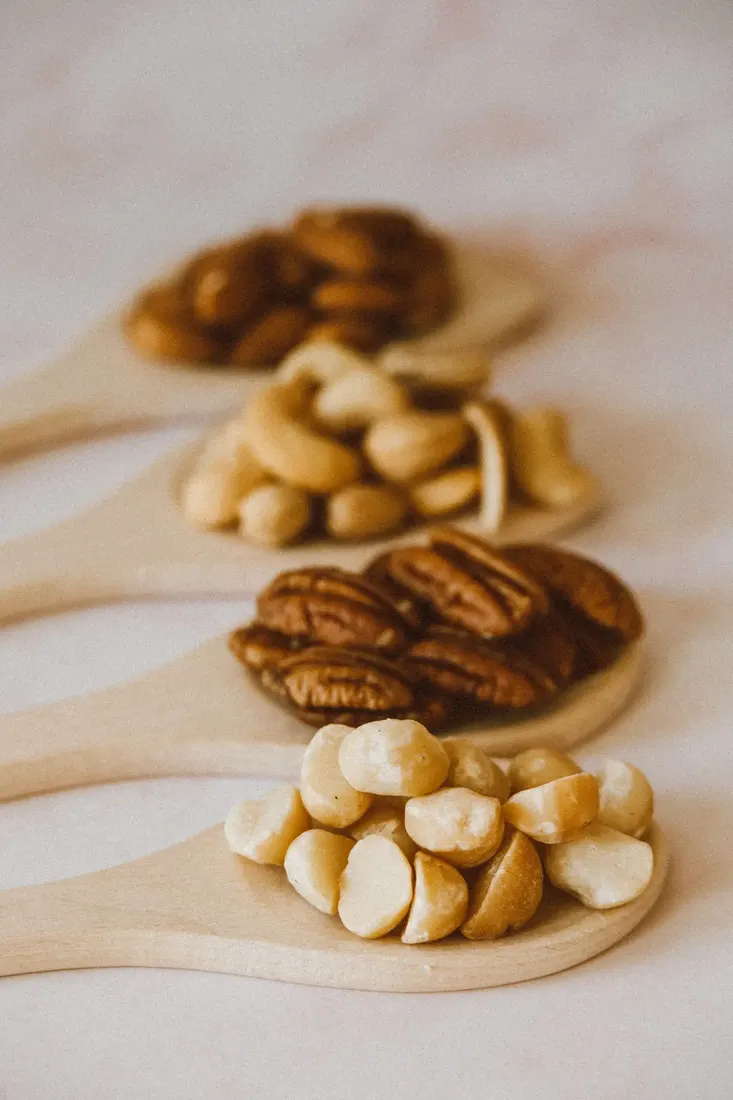
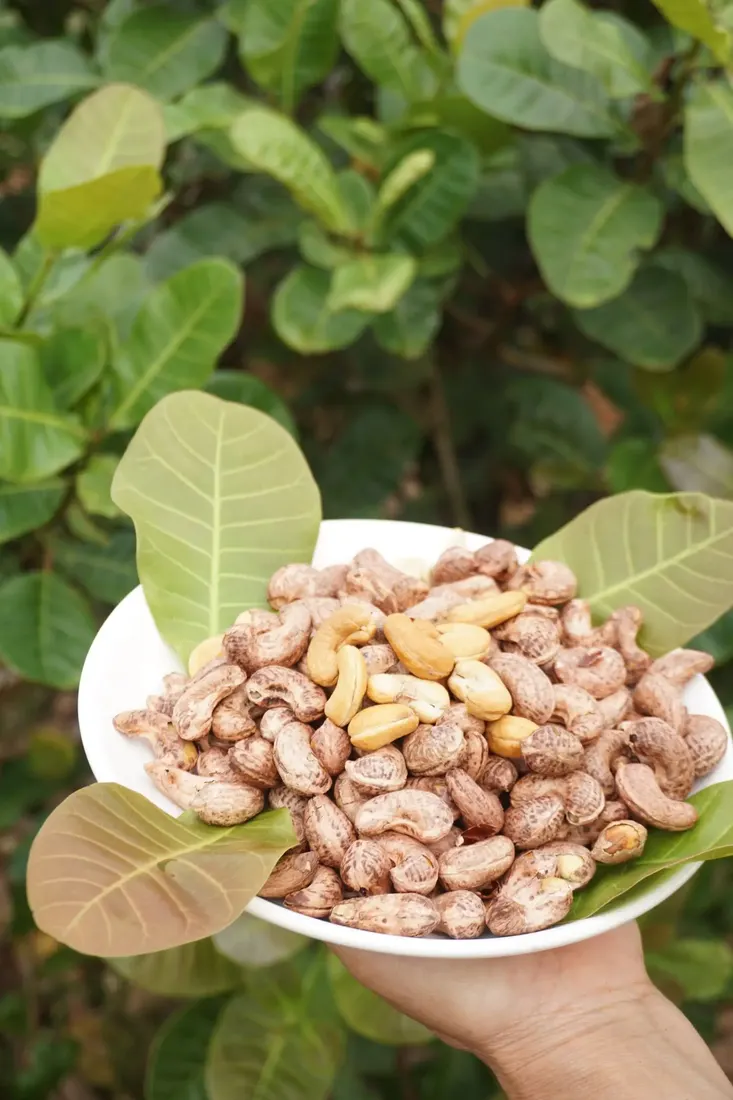
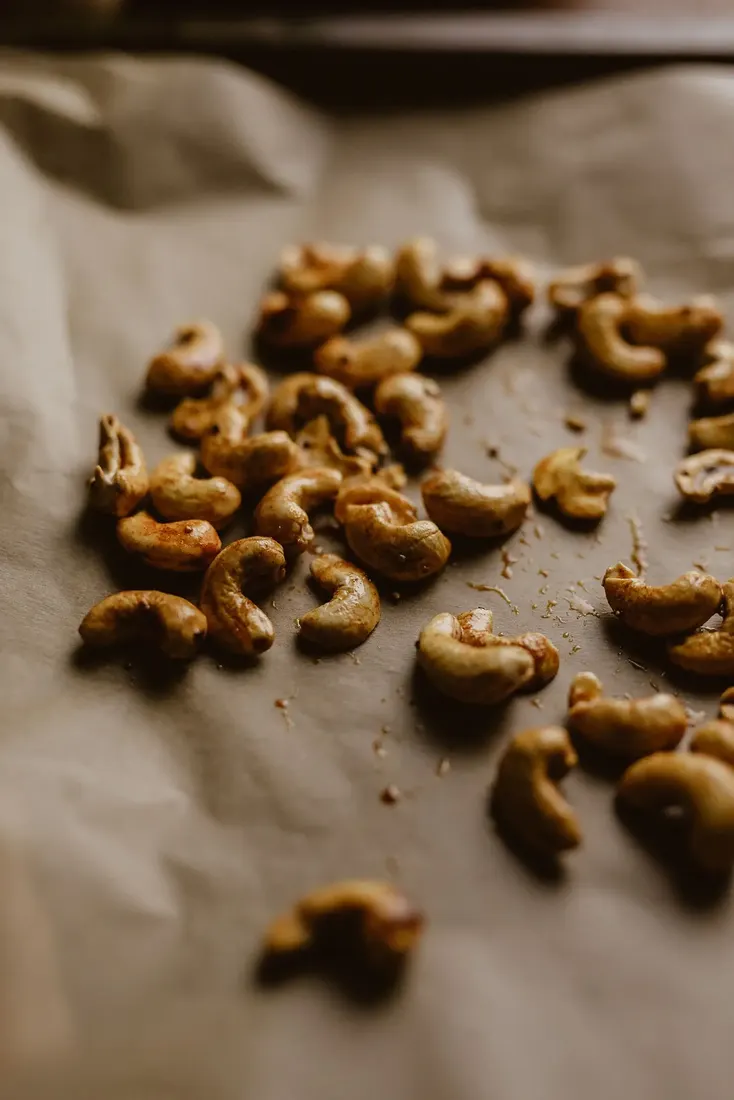
Cashews arranged with other nuts
Cashew

Cashews — Vietnam & India

Typical character: creamy, mild and softly sweet with a dense but tender bite.

Roast response: medium roasting brings out warm cereal and caramel-like notes while preserving the soft texture.

Kitchen use: sauces, curries, bakery fillings, snack blends and finely chopped coatings.

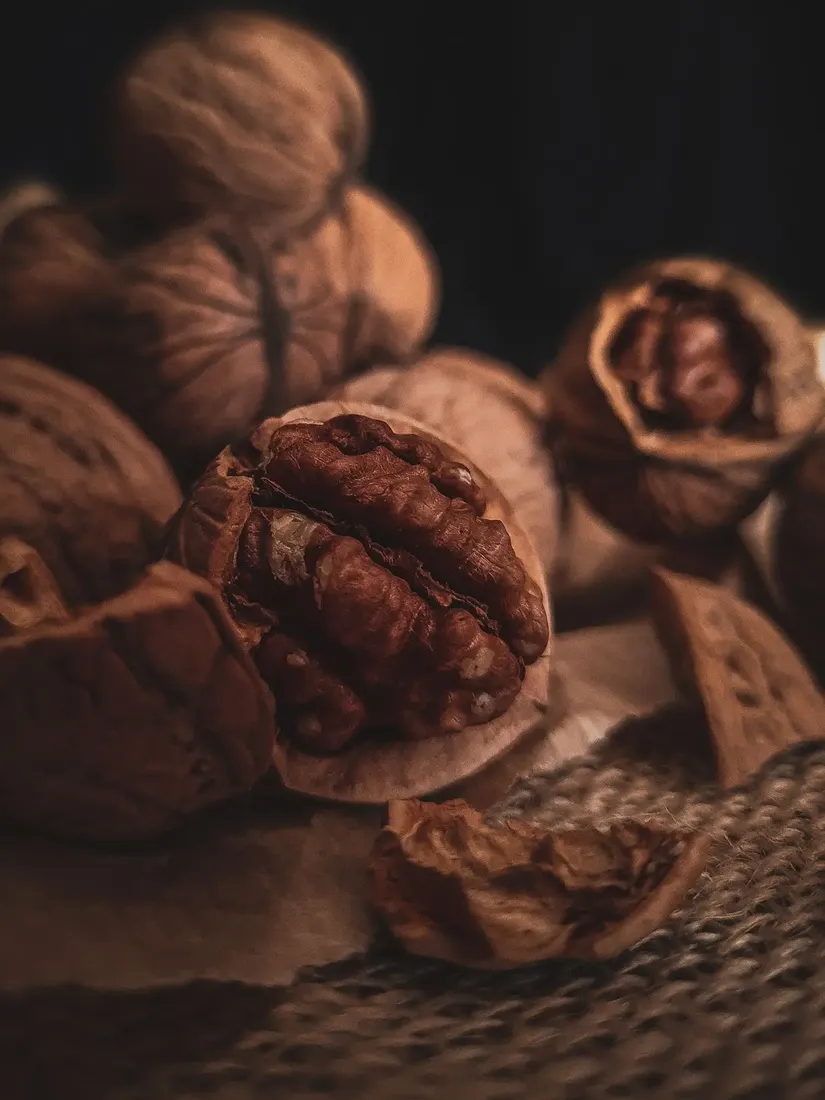
Walnuts and kernels
Walnut

Walnuts — Chile, USA & Europe

Typical character: aromatic, earthy and layered with a structured finish. Fresh kernels should taste clean rather than stale.

Roast response: short roasting rounds the aroma; excessive heat can quickly turn the finish harsh.

Kitchen use: salads, breads, pastries, vegetable dishes and textured toppings.

Pistachio kernels in a scoop
Pistachio

Pistachios — Mediterranean & West Asia

Typical character: green, fragrant and gently sweet with a distinctive savoury edge.

Roast response: light heat concentrates aroma while keeping the kernel vivid; stronger roasting moves toward toast and cereal.

Kitchen use: confectionery, pastry, rice dishes, sauces and chopped finishing garnishes.

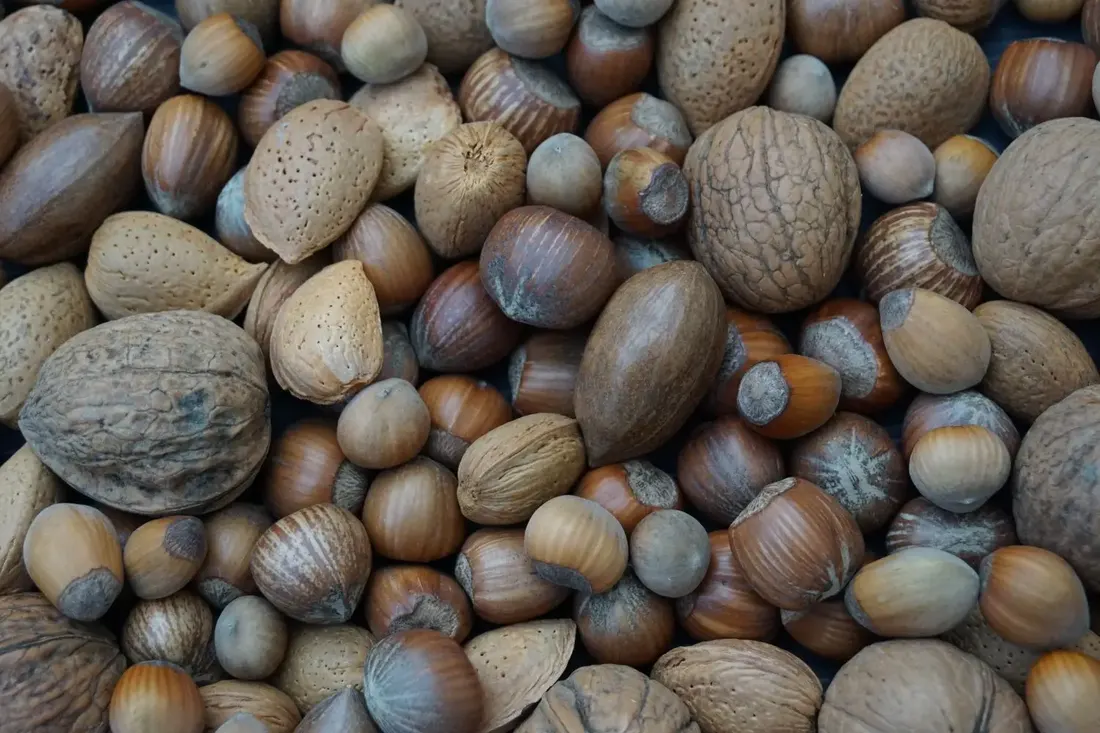
Pile of hazelnuts in shell
Hazelnut

Hazelnuts — Türkiye & Italy

Typical character: rounded, aromatic and naturally praline-like, especially after the skin is loosened by roasting.

Roast response: one of the clearest transformations: heat unlocks deep toasted-nut aroma and a cleaner finish.

Kitchen use: chocolate work, biscuits, cakes, savoury crusts and nut pastes.

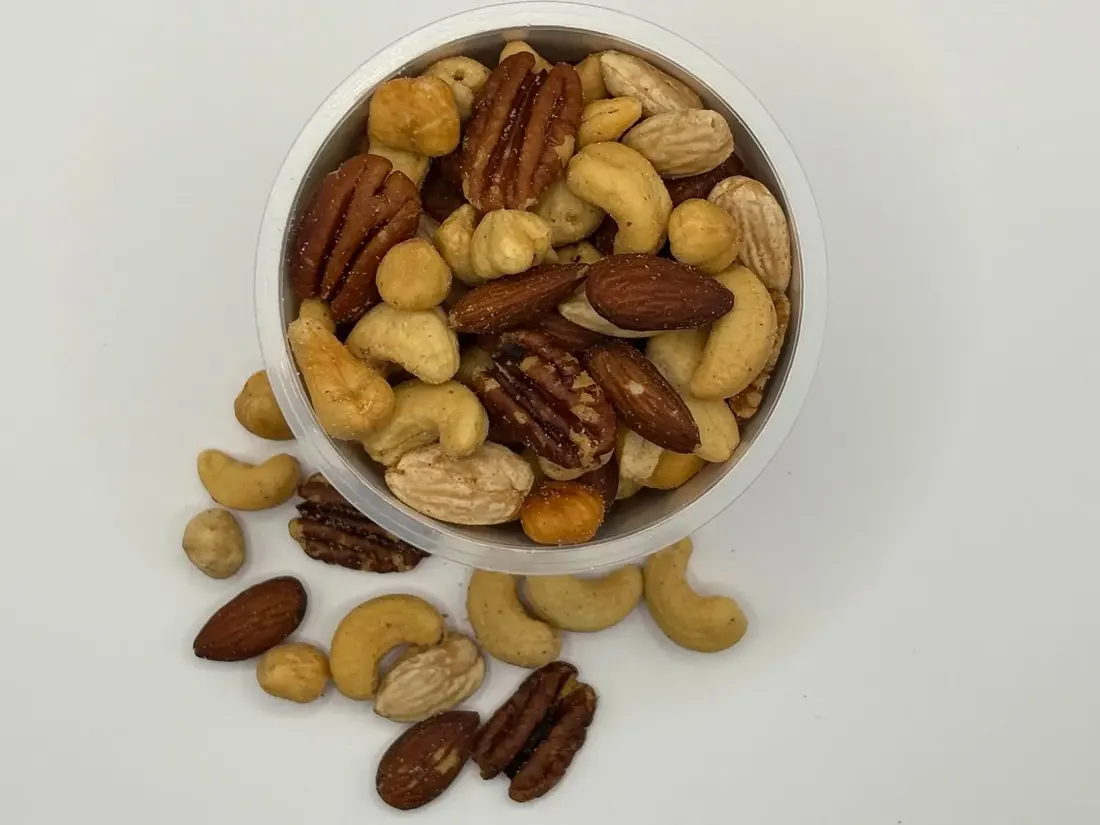
Mixed nuts including pale macadamias and cashews
Macadamia

Macadamias — Australia & New Zealand

Typical character: exceptionally crisp yet buttery, with a clean, sweet finish.

Roast response: low-to-medium roasting is usually enough to intensify aroma while protecting the delicate texture.

Kitchen use: biscuits, desserts, crusts, chopped toppings and premium snack mixes.

Walnut-like nut kernels scattered on a light surface
Pecan

Pecans — North America

Typical character: sweet, aromatic and soft-crunching with notes often read as maple, wood or warm spice.

Roast response: develops quickly; a moderate roast keeps sweetness in balance with toasted depth.

Kitchen use: pies, granola, salads, roasted vegetables and snack clusters.

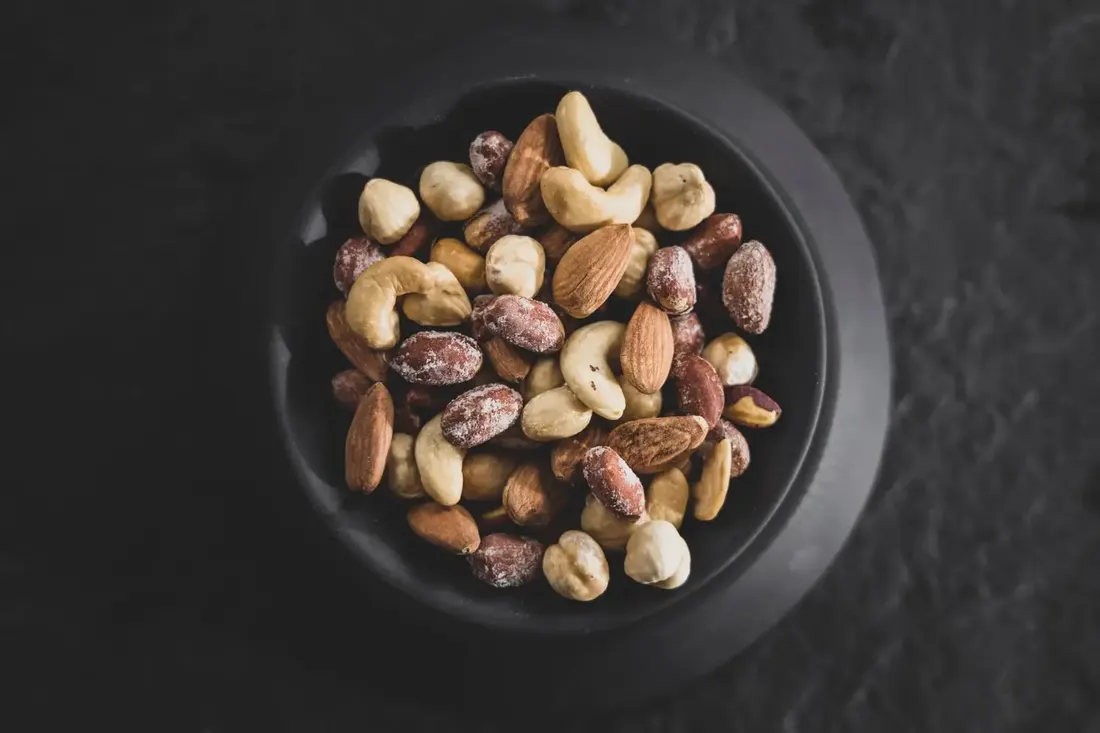
Dark bowl filled with mixed nuts
Brazil nut

Brazil Nuts — Northern South America

Typical character: large-kernelled, rich and dense with an earthy, almost coconut-like impression.

Roast response: restrained roasting keeps their characteristic richness from becoming heavy.

Kitchen use: chopped baking additions, trail mixes, savoury crumbs and blended nut meals.

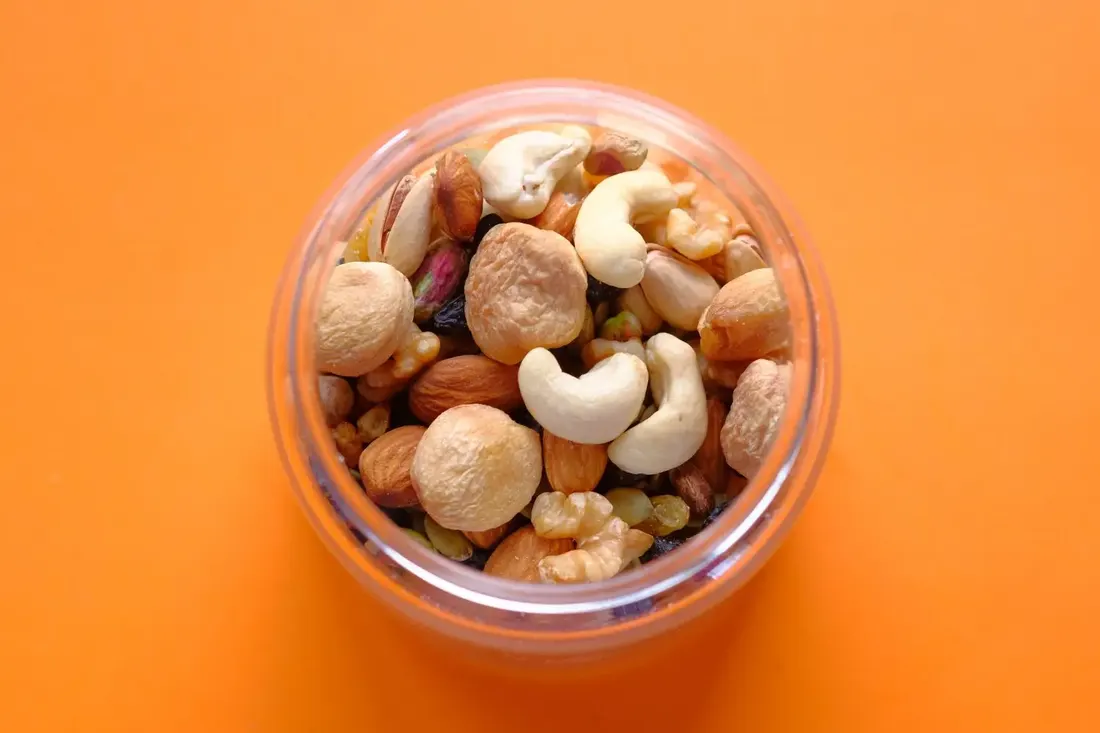
Bowl of mixed nuts on a pale background
Comparison

How to taste side by side

Start with the palest, mildest sample and move toward deeper roasts. Notice aroma before chewing, then first crunch, sweetness, savoury notes and the length of the finish.

Use water and plain crackers between strongly flavoured samples so one roast does not mask the next.

Learn our tasting method
Roast matters

The same nut can become a different ingredient with heat.

Raw nuts preserve the clearest view of the kernel itself. Light roasting lifts aroma while retaining delicacy. Medium roasting emphasises toast, sweetness and crunch. We stop before the roast becomes the only thing you can taste.

Seasoned products are built on top of that roast choice. Salt, herbs or spices should frame the nut rather than erase its origin.

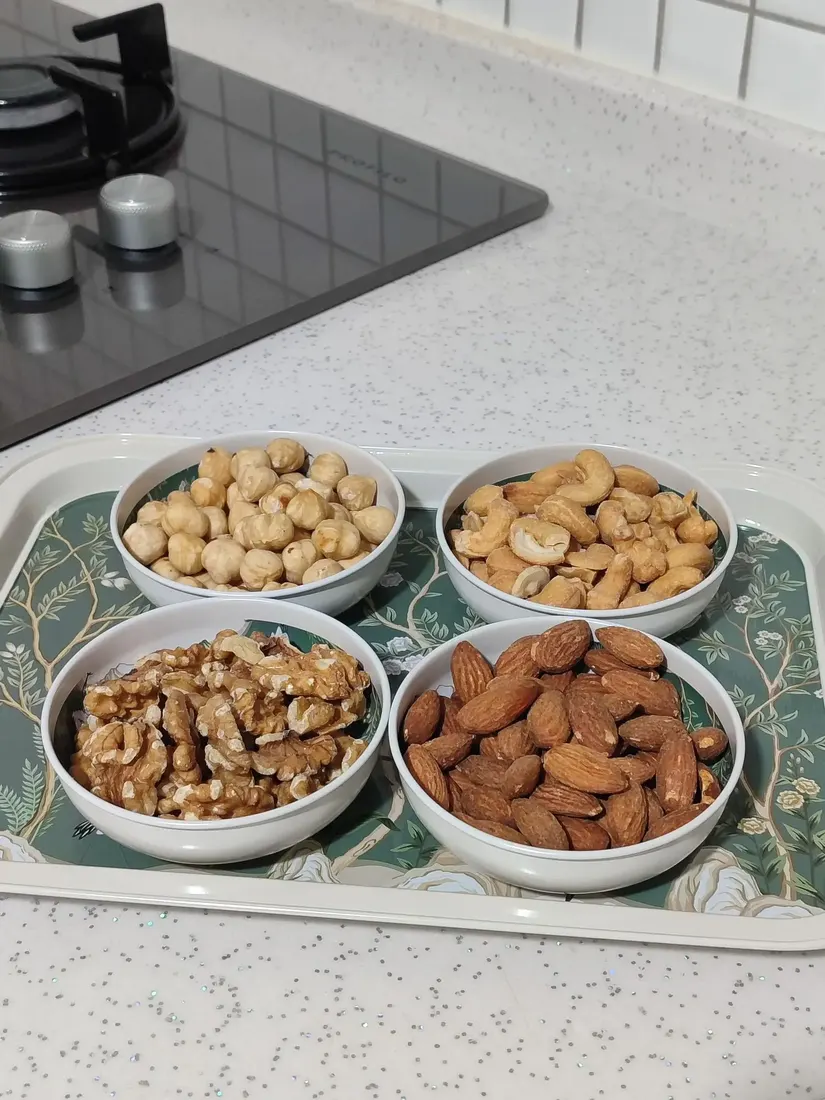
Several bowls of nuts ready for roasting and tasting
Keep the character intact

Freshness and storage matter as much as origin.

A beautifully grown nut can lose much of its distinction if it is left exposed to warmth, humidity or strong surrounding aromas. Storage is therefore part of tasting, not an afterthought.

Protect the aroma

Use a tightly closed container or the resealable pack and keep nuts away from strongly scented foods. Their natural oils readily carry aroma, so clean storage helps a delicate almond remain delicate and a pistachio remain recognisably itself.

Control heat and moisture

A cool, dry location protects crisp texture. Humidity can soften the surface, while repeated exposure to heat can flatten fresh aromas. Open the container only as long as needed and always use a clean, dry scoop or spoon.

Compare like with like

When tasting two origins, serve them at a similar temperature and in similar formats. A raw kernel beside a deeply roasted kernel mainly demonstrates roast difference; two comparable formats make origin and cultivar easier to notice.

For longer keeping, follow the storage instructions supplied with the individual pack and date any container you decant. Before serving, let a small portion come to a comfortable room temperature so aroma and texture are easier to assess. These simple habits make repeat tastings more consistent and help each harvest retain the qualities for which it was selected.

Item added.